How Squirrels Damage Roofs and Attics and What to Do About It
People seeking squirrel removal usually want to stop squirrels from damaging their roofs and attics, and local contractors can provide effective solutions to protect and repair these areas.
Homeowners in the area often discover that squirrels can cause more damage than they might expect, especially when it comes to roofs and attics. These clever creatures are known for nesting in tight spaces, chewing through shingles, and creating entry points that allow them to access hidden areas of a property. Understanding how squirrels damage roofs and attics is essential for property owners looking to protect their investments and maintain a safe, secure home environment. Exploring this topic can lead to practical steps for prevention and repair, and connecting with experienced service providers can make addressing these issues more straightforward.
If squirrels have already found their way into a roof or attic, professional squirrel removal services can help resolve the problem efficiently. Local contractors who specialize in squirrel removal and property repair are equipped to handle the situation safely and effectively, helping to prevent further damage and discourage future visits. Keeping an eye out for signs of squirrel activity and knowing what to do about it can save homeowners time, money, and stress-making it worthwhile to explore the options available through trusted local service providers.
- Squirrel exclusion services - when evidence of squirrel entry points in roofs or attics suggests a need to prevent further damage, local contractors can install barriers and seal openings.
- Attic inspection and repair - if squirrels have caused damage inside the attic, local service providers can assess and restore insulation, wiring, and structural components.
- Roof damage assessment and patching - visible chewed shingles or holes indicate squirrel activity, prompting local pros to repair or reinforce roofing materials.
- Wildlife removal and humane trapping - when squirrels are trapped inside roofs or attics, local contractors can safely remove them and ensure they do not return.
- Preventative maintenance services - to stop future squirrel-related damage, local service providers can recommend and implement ongoing protection measures around roofs and attics.
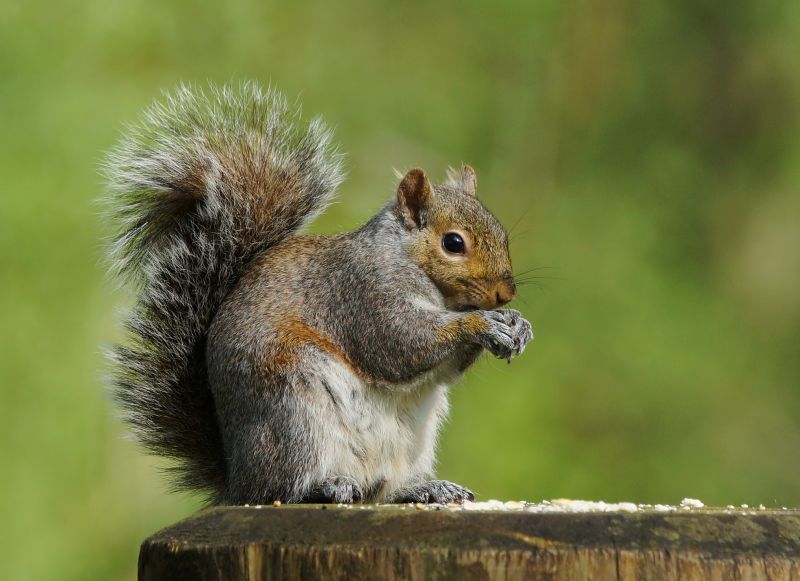
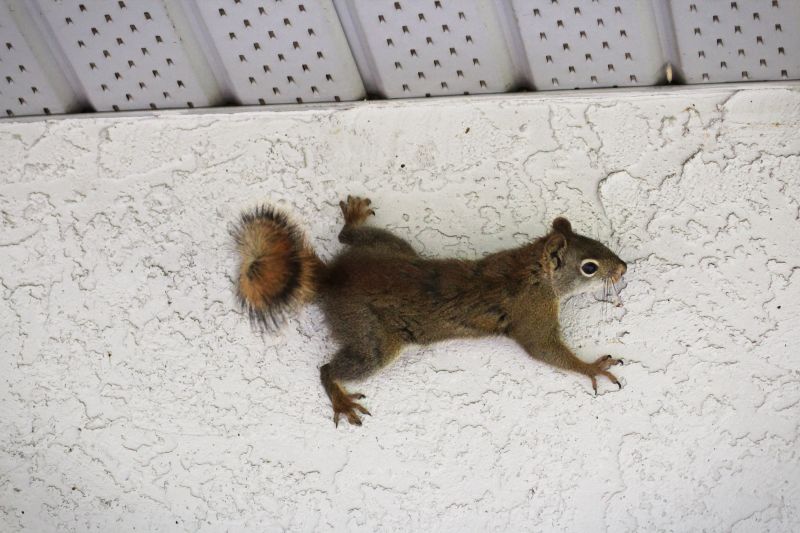
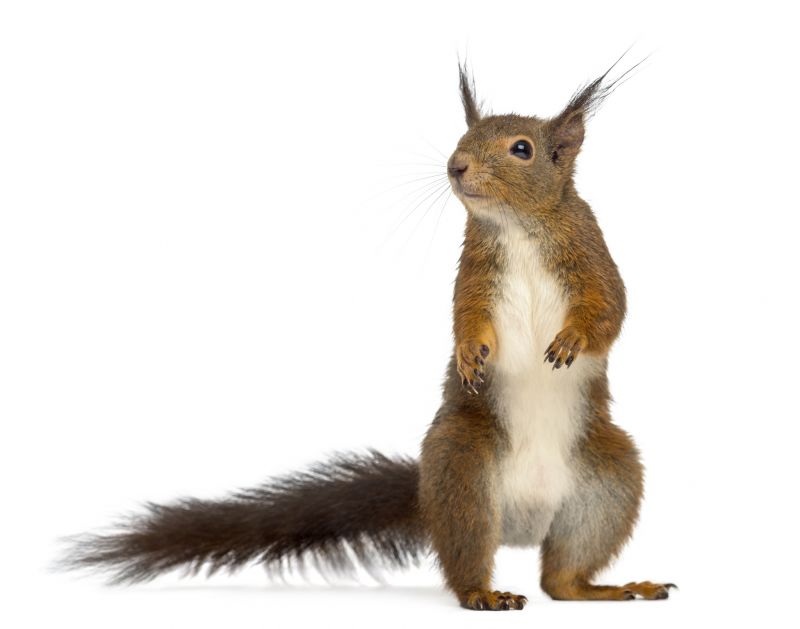
When homeowners search for how squirrels damage roofs and attics and what to do about it, they are often trying to understand the risks these small animals pose to their property. Squirrels are known for their agility and curiosity, which can lead them to access areas of the home that are not intended for animals. Common concerns include squirrels gnawing on roof shingles, vent covers, and wooden structures, as well as creating entry points that allow further pests or water intrusion. Many people are also worried about the potential for squirrels to cause structural damage or to nest inside attics, which can lead to insulation contamination and other issues. Understanding these risks helps homeowners recognize the importance of addressing squirrel activity early, and local service providers that specialize in squirrel removal can assist in identifying and mitigating these problems effectively.
The problems associated with squirrels damaging roofs and attics often relate to both property damage and the risk of pests entering the home. Squirrels tend to chew on various materials, including wood, wiring, and insulation, which can compromise the integrity of the roof and attic structures. This damage can lead to leaks, drafts, and increased energy costs, as well as potential fire hazards if wiring is chewed through. Homeowners may also face issues with nesting materials, droppings, and urine, which can create unsanitary conditions and attract other pests such as insects or rodents. Many property owners consider squirrel exclusion or removal as part of a broader plan to protect their investment, and local contractors experienced in squirrel control can provide solutions tailored to the specific needs of each property.
Properties most commonly affected by squirrel damage include residential homes with accessible attics, especially those with gaps or openings in the roof or soffits. Homes in wooded or suburban areas are more likely to encounter squirrel issues, as these animals are naturally drawn to trees and shrubbery close to the house. Attics with damaged or missing vent covers, loose shingles, or poorly sealed eaves are especially vulnerable to squirrel entry. In addition to single-family homes, some multi-unit buildings or cabins in rural areas can also be at risk. Recognizing the types of properties most susceptible to squirrel damage helps homeowners understand the importance of regular inspections and timely repairs, and local service providers can assist with both prevention and removal efforts to safeguard these properties from further harm.
Addressing how squirrels damage roofs and attics and what to do about it involves a combination of inspection, exclusion, and removal strategies. Homeowners should consider professional services that can thoroughly assess the extent of damage and identify entry points squirrels may be using. Local contractors experienced in squirrel removal can implement exclusion techniques, such as installing one-way doors, sealing gaps, and reinforcing vulnerable areas, to prevent future access. Removing existing squirrels safely and cleaning up nesting materials and droppings are also crucial steps in restoring the safety and integrity of the home. Working with local pros ensures that the job is done effectively and humanely, reducing the likelihood of recurring issues and protecting the property from further damage caused by these persistent pests.
Attic Insulation Replacement - local contractors can help repair or replace damaged insulation caused by squirrels nesting or chewing through attic materials.
Roof Damage Repair - specialists can assess and fix roof damage resulting from squirrel activity, such as chewed shingles or compromised sheathing.
Gutter Cleaning and Repair - service providers can clear and repair gutters that squirrels may clog or damage while accessing attics or roofs.
Pest Proofing Services - local pros can install barriers and entry point seals to prevent squirrels from re-entering roofs and attics.
Attic Cleanout and Decontamination - experts can remove debris, nests, and droppings left by squirrels to restore attic hygiene and safety.
Roof Vent and Chimney Cap Installation - specialists can install or repair vents and chimney caps to block squirrel access points on roofs and in attics.
When comparing local contractors for squirrel removal services, it’s important to consider their experience with similar projects. Homeowners should look for service providers who have a proven track record in handling squirrel-related damage to roofs and attics. An experienced contractor will understand the common signs of squirrel activity, such as chewed wiring or nesting materials, and be familiar with effective removal techniques. This familiarity can help ensure the job is done thoroughly and reduces the risk of recurring issues caused by overlooked entry points or improper removal methods.
Clear written expectations are essential when evaluating different service providers. Homeowners should seek contractors who offer detailed descriptions of what the squirrel removal process will entail, including inspection, removal, and prevention measures. Having a well-defined scope of work helps prevent misunderstandings and ensures that both parties are aligned on the services provided. It’s also beneficial to ask for a written outline of the steps involved and any follow-up recommendations, so there are no surprises once the project begins.
Reputable references and good communication practices are vital factors to consider during the comparison process. Service providers who can provide references from previous clients demonstrate transparency and a history of satisfied customers. Additionally, effective communication-such as prompt responses to inquiries and clear explanations of the work-can make the entire experience smoother. Homeowners should feel comfortable asking questions and receiving straightforward answers, which can help them make informed decisions when choosing a contractor to address how squirrels damage roofs and attics and what to do about it.
Property owners often search for how squirrels damage roofs and attics and what to do about it when they are planning practical projects around their homes and businesses. Local pros provide Squirrel Removal services for everyday jobs and straightforward project options.
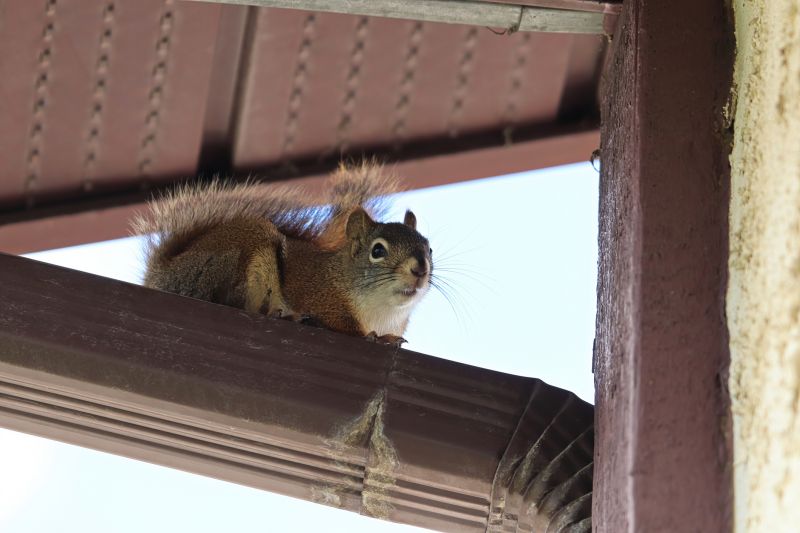
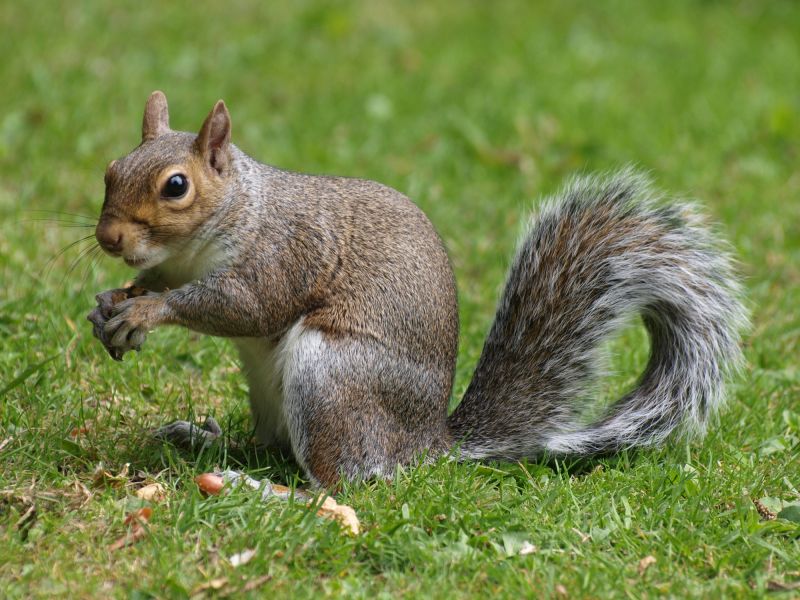
Squirrels often find their way into attics and onto roofs in search of food, shelter, or nesting sites, which can lead to significant property damage. They may chew on shingles, vents, and wiring, creating entry points that allow them to access the interior spaces of homes. Property owners noticing signs of squirrel activity, such as droppings or gnawed areas, might look up information on how squirrels damage roofs and attics and what to do about it to protect their homes from further harm.
When squirrels infiltrate a roof or attic, they can cause structural damage and pose safety risks, especially if electrical wiring is compromised. Local contractors specializing in squirrel removal can assess the situation and help eliminate the animals safely, while also sealing entry points to prevent future visits. Property owners seeking effective solutions often turn to these service providers to handle squirrel-related issues efficiently, ensuring their homes remain secure and undamaged.
How do squirrels damage roofs and attics? Squirrels can cause damage by chewing on roof shingles, vents, and wiring, creating entry points that allow them into attics. Once inside, they may nest, urinate, and defecate, leading to further deterioration and potential health issues.
What signs indicate squirrels have entered a roof or attic? Signs include visible chew marks around vents or rooflines, sounds of scratching or scurrying in the attic, and the presence of nesting materials or droppings inside the space.
How can local service providers help with squirrel damage? Local contractors can inspect roofs and attics for entry points, safely remove squirrels, and recommend or install repairs to prevent future infestations and damage.
What steps are involved in squirrel removal from a roof or attic? Professionals typically trap and remove the squirrels, seal entry points, and may perform repairs to damaged areas to ensure squirrels cannot re-enter.
Why is it important to address squirrel damage promptly? Timely intervention can prevent further structural damage, reduce the risk of electrical fires, and avoid health hazards caused by squirrel droppings and nesting materials.
Identify vulnerable roof areas - property owners can inspect their roofs for entry points and damage, enabling local contractors to focus their squirrel removal efforts effectively.
Seal entry points - after squirrel removal, sealing gaps and holes prevents future infestations and protects the attic from additional damage.
Install deterrents - adding barriers or deterrent devices can discourage squirrels from re-entering the roof or attic space.
Schedule regular inspections - periodic assessments by local service providers help detect early signs of squirrel activity and prevent extensive damage.
If you are thinking about how squirrels damage roofs and attics and what to do about it for a property, this guide is meant to help you understand this topic, the typical project types, and how different options might fit your plans.
When you are ready, you can use the quote form on this page to share a few details about your project. From there, local pros can review the basics and follow up with options that match what you have in mind.